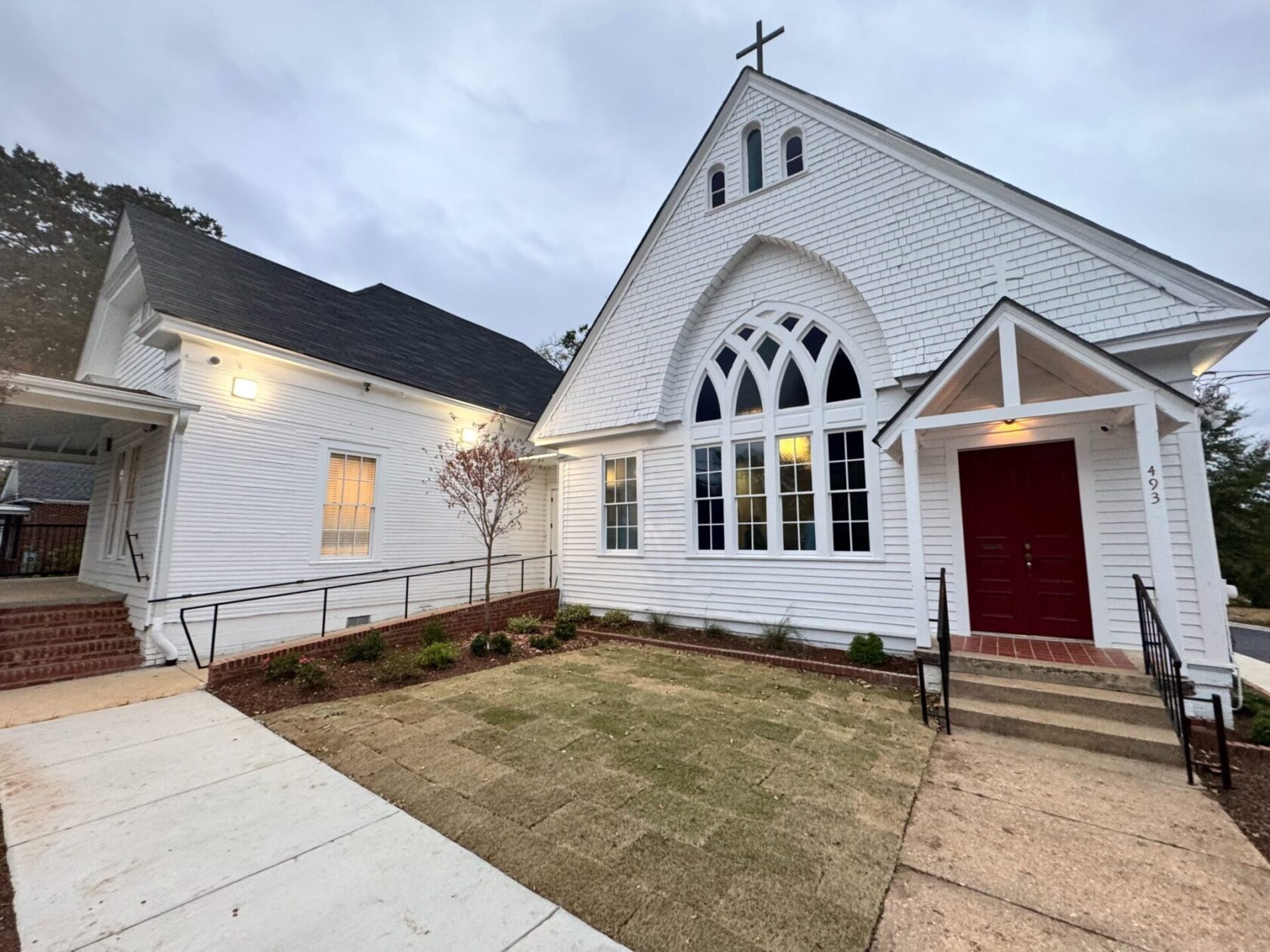
Good Shepherd Church, Montgomery, consecrates newly renovated nave, strengthening ministry on racial healing and pilgrimage.
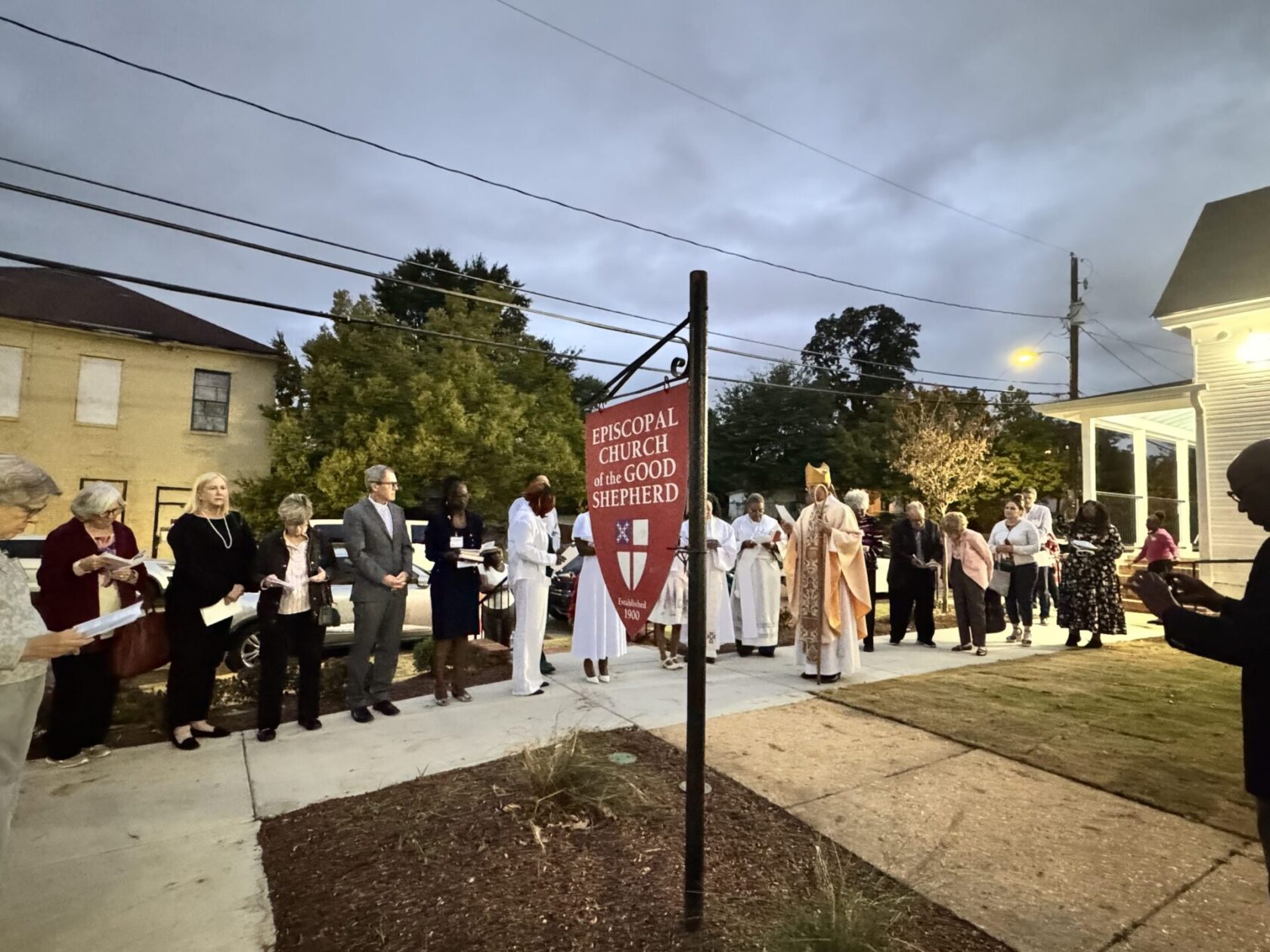
Parishioners and clergy from across the diocese gathered at the Church of the Good Shepherd in Montgomery on All Saints’ Sunday, Nov. 1, to consecrate its newly renovated nave and parish hall. The renovated spaces will support the parish’s longstanding work in racial justice and reconciliation.
The consecration was part of celebrations marking 126 years since the church opened at its current location in historic Centennial Hill, long a prominent African American middle-class neighborhood.
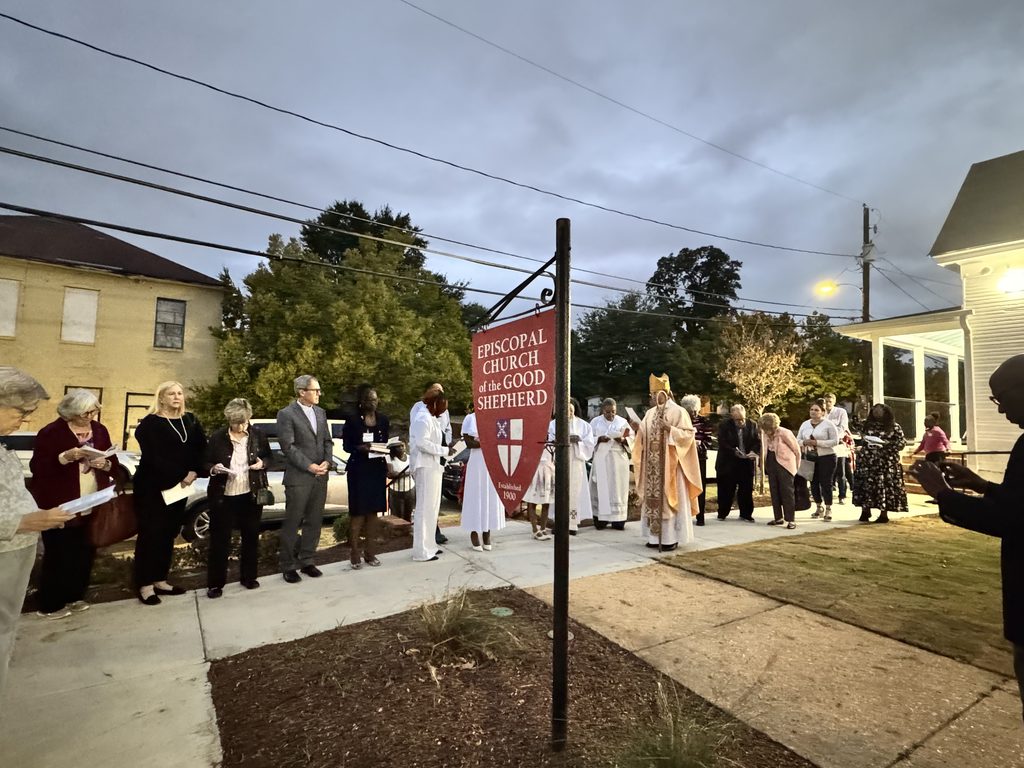
Parishioners and clergy gather outside Good Shepherd to consecrate the newly renovated nave and parish hall on All Saints’ Sunday.
In his homily, Alabama Bishop Richard Lawson tied the consecration to All Saints’ Sunday, one of the seven principal feasts of the church year, which commemorates all saints, known and unknown.
Lawson said the day “knit together the living and the dead in communion and fellowship, and brought together the congregation’s past, present and future: those who had prayed in the church, brought their families for baptism, married and been buried, and those who will worship here in years to come.”
The Rev. Mawande Mzongwana, priest-in-charge of the Church of the Good Shepherd and St. Andrew’s Church in Tuskegee, echoed that theme, saying the service honored generations of faithful witness while preparing the congregation for the years ahead. Its liturgy, she said, reflected the depth of that witness.
“The founders of this parish were enslaved people who wanted freedom and liberation in all of its sense. Their faith was forged in suffering that they would live their faith,” she said. “I hope that whoever comes through these doors also comes to know that joy of God’s Kingdom and experience something special about this place.”
A place of hospitality, rest and reflection
Hospitality and pilgrimage remain at the heart of Good Shepherd’s ministry, building on a history that continues to draw pilgrims all across the country and beyond.
Many come to Montgomery because of its place in civil rights history and gather at Good Shepherd to reflect on what they have seen and experienced. In 2025 for instance, more than 100 pilgrims from across the country visited the parish.
This summer, members of Holy Trinity Church in Auburn visited the parish after touring Montgomery’s Legacy Sites. There, they gathered for prayer and conversation about church history, truth-telling and forgiveness.
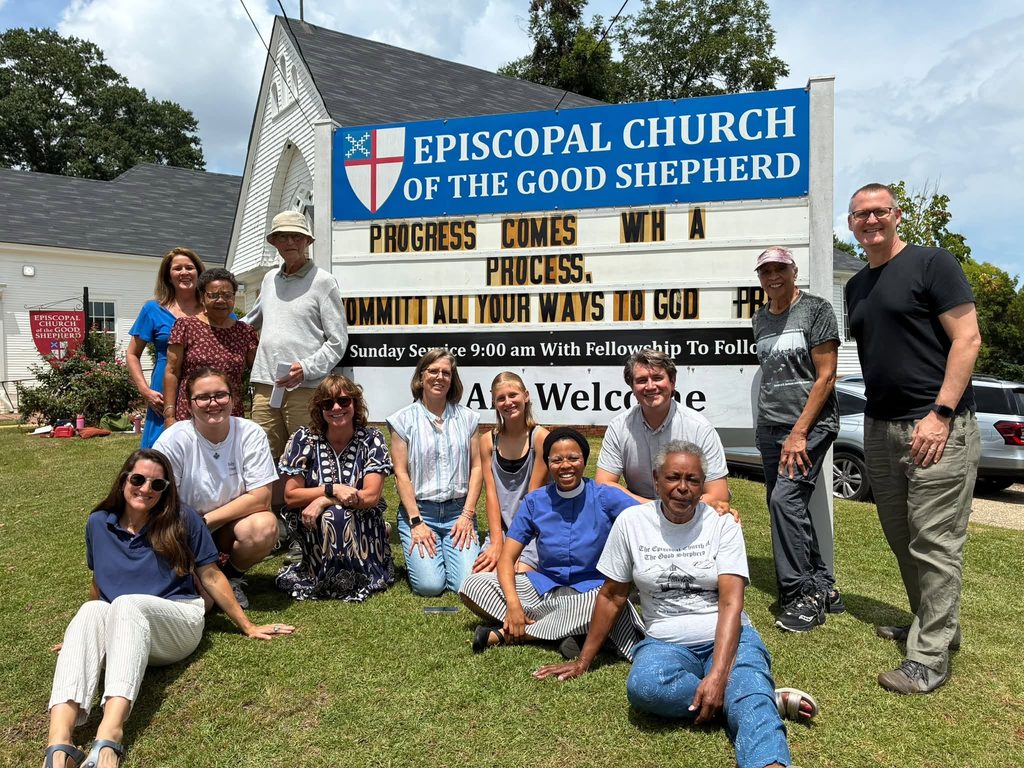
Members of Holy Trinity Episcopal Church in Auburn gathered at Good Shepherd this summer for prayer and reflection on church history and truth-telling after visiting the Legacy sites.
The renovations were designed with that ministry in mind. The project included improvements to the nave, parish hall, church office, kitchen, bathrooms, parking area and common spaces. Together, the renovated facilities expand the church’s ability to welcome pilgrims, host educational programs and provide space for conversations about racial healing and reconciliation. Pilgrims are invited to join the congregation for worship or reflection on the redeveloped campus.
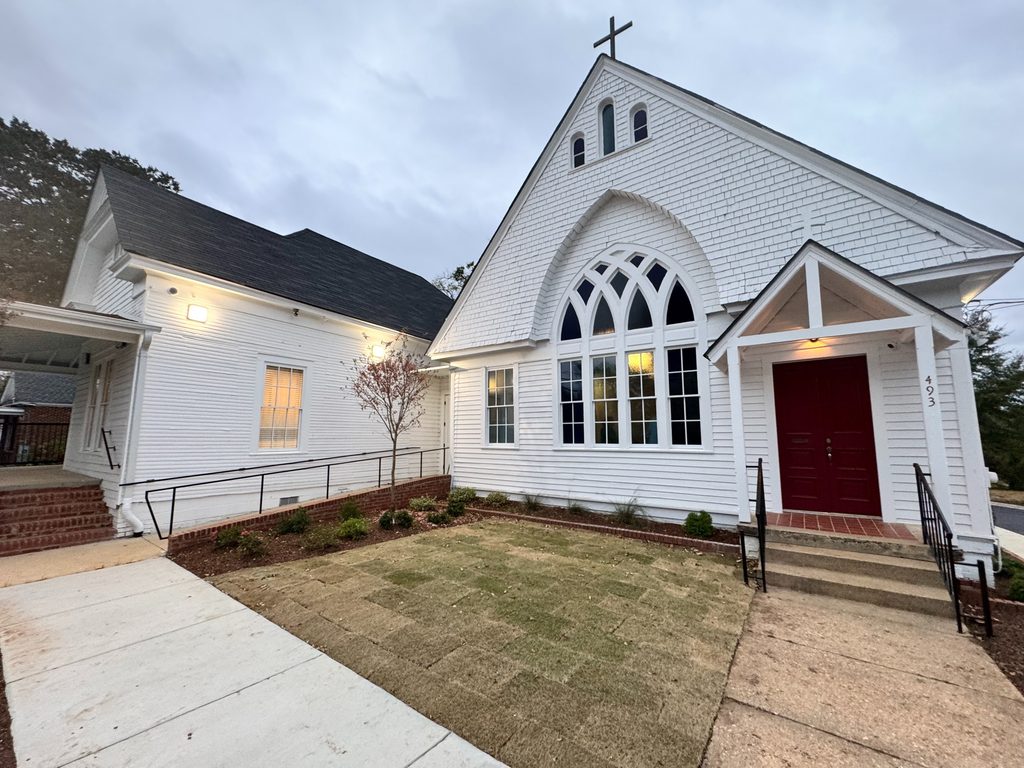
Renovations at Good Shepherd included improvements to the nave, parish hall, church office, kitchen, bathrooms, parking area and common spaces.
The work is part of the Diocese of Alabama’s Equipping the Saints capital campaign, which set aside $1 million for racial healing and reconciliation. The campaign also supports a full-time priest-in-charge and the gathering of oral and written accounts of race relations so the community can preserve its history and hear different perspectives. A third part of the effort trains leaders to help congregations address racial issues and build relationships across backgrounds. Watch the Equipping the Saints Impact Story.
The work comes as Centennial Hill continues to evolve. Montgomery is redeveloping portions of the neighborhood, and the historic Ben Moore Hotel, which hosted Black activists during the Civil Rights Movement, recently received funding for redevelopment.
A church born of a petition
Good Shepherd traces its origins to 1849, when enslaved Black people worshipped at St. John’s Episcopal Church in Montgomery. In 1896, Black parishioners petitioned for a church of their own, and the parish purchased property on South Jackson Street on Nov. 21 of that year. It is the third oldest Episcopal congregation in Montgomery.
Among the features preserved in the church are pews from the former “slave gallery” of St. John’s Church. Incorporated into Good Shepherd when the building opened in 1900, the pews remain in use today.
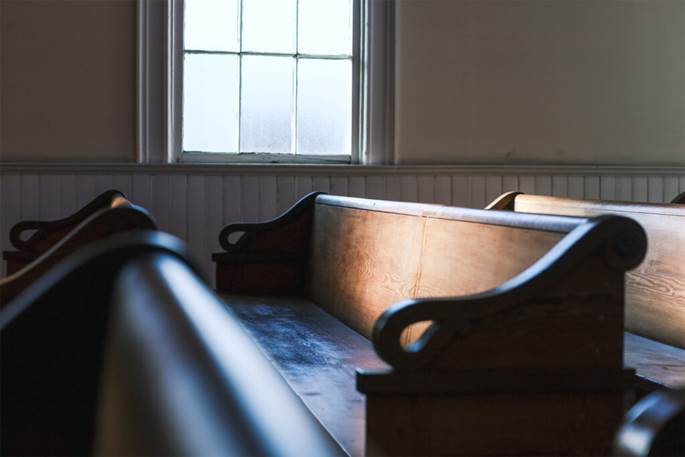
Pews from a former “slave gallery” remain in use as the historic Black parish marks 126 years in its current home.
The parish later became a gathering place during the Civil Rights Movement. The Rev. Robert Earl DuBose, rector from 1956 to 1961, served as secretary of the Montgomery Improvement Association, which led the Montgomery bus boycott that began in 1955. He worked alongside the Rev. Martin Luther King Jr. and the Rev. Ralph Abernathy. In 1960, DuBose and Abernathy led a student protest supporting the lunch counter boycotts in North Carolina. In the 1950s, the parish also purchased nearby properties to operate the Children’s Hope Center, which offered services and support for families in segregated Montgomery.
Today, parishioners continue to join marches and rallies in support of civil rights efforts.
The faithful who kept the doors open
Patricia Pinchback, a member of 44 years, said Good Shepherd has often continued its ministry without a permanent priest and, at various points, members debated closing because of declining membership. She expressed gratitude for the parish’s progress, with the Rev. Mzongwana now serving as full-time priest-in-charge. Today, average Sunday attendance is about 30. Pinchback credited the resilience of members who keep the church going through programs such as a soup kitchen, Vacation Bible School and door-to-door evangelism.
The celebration also recognized parishioners who continue that legacy of service. Mzongwana presented each recipient with a certificate of honor and a cross, which she said represented the hope of glory in Christ. She encouraged the honorees to continue serving Christ more faithfully.
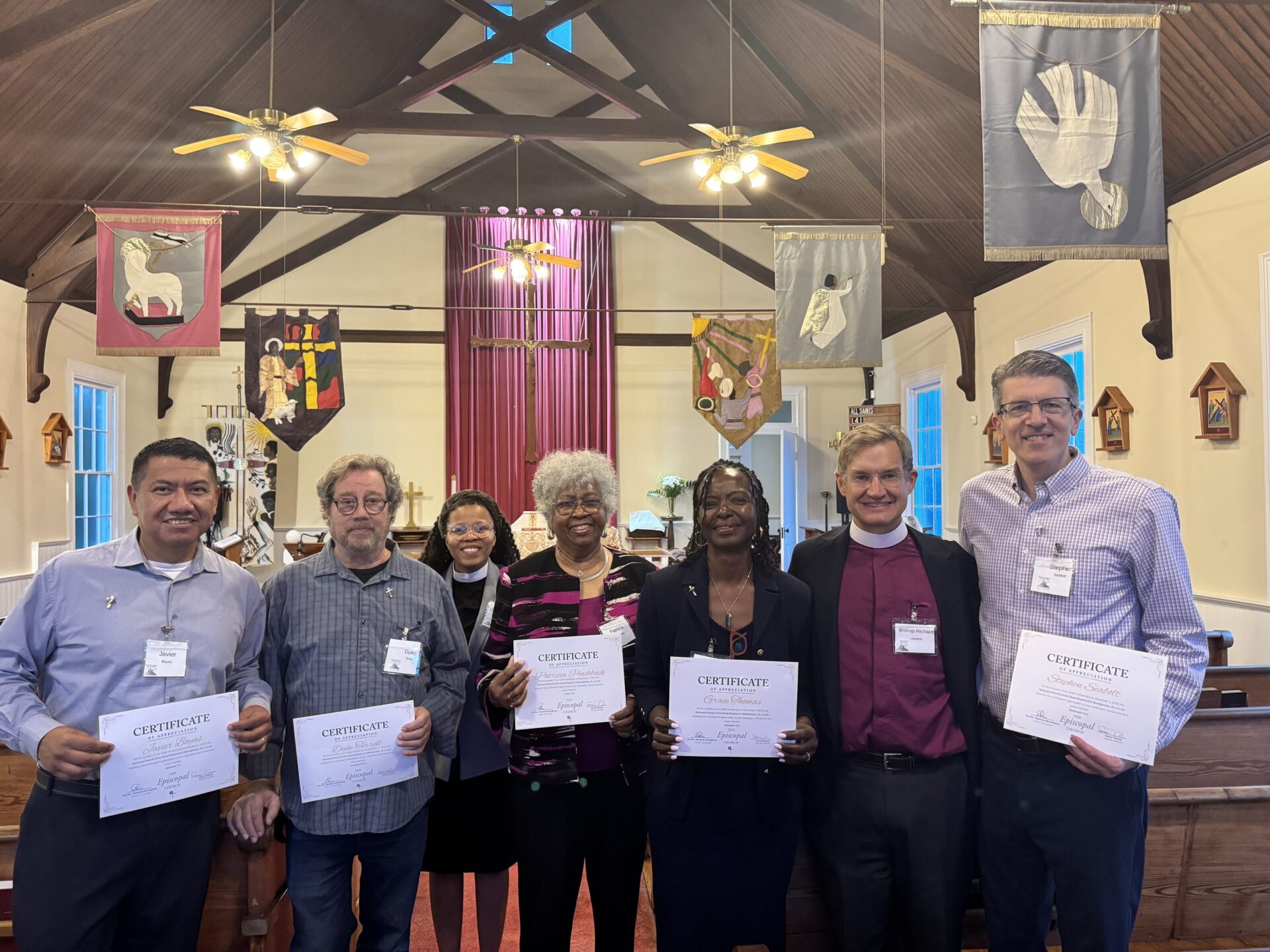
Parishioners display their certificates of honor alongside the Rev. Mawande Mzongwana and Bishop Richard Lawson at Good Shepherd.
Visiting Good Shepherd
Pilgrims interested in visiting can contact the Rev. Mawande Mzongwana at therevmawande@gmail.com